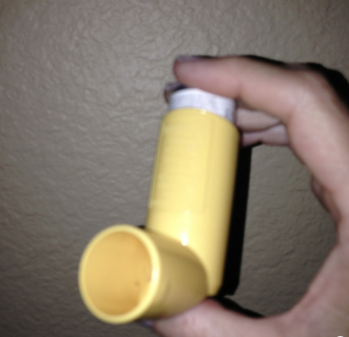
Showing posts with label asthma. Show all posts

Friday, November 8, 2013

Got Asthma? Get this Vaccine!


This month I am focusing on vaccinations- the FLU vaccine, Tetanus, Pertussis, and now...the "pneumonia" vaccine.  This vaccine works against Streptococcus pneumonia, the "pneumococcal bacteria" which causes hundreds of thousands of cases of pneumonia, sepsis and meningitis in the United States every year. Before routine childhood immunization against this bacteria, there were also over 5 million ear infections per year caused by this organism. This bacteria has developed quite a bit of resistance to antibiotics, and the more serious pneumococcal diseases have a very high mortality rate ranging up to 37%, so everything we can do to prevent pneumococcal disease saves innumerable lives.

Recommendations for this vaccination USED to only be for adults over 65 or those adults who had their spleen removed or had severe immune-compromising illness. However,  in 2008, the ACIP (Advisory Committee on Immunization Practices) realized that the scientific evidence showed that adults who smoke or have asthma are at much higher risk of developing pneumococcal disease, and CHANGED the RECOMMENDATIONS to include ADULTS WHO SMOKE or HAVE ANY TYPE OF ASTHMA (exercise-induced,

There are two types of pneumococcal vaccine:  PPSV23 and PCV 13, which target the specific subtypes of this bacteria that cause the most disease.  Children receive PCV13 (trade name, Prevnar), as part of their infant series at 2, 4, 6, and 12-15 months of age.


ADULTS (19 -64) should receive the PPSV23 (trade name, Pneumovax) pneumococcal vaccination if they are a SMOKER; if they have ASTHMA or  DIABETES;  or if they have chronic lung, heart, liver or kidney disease, cochlear implants, a missing (removed) or non-functional spleen, or an immuno-compromising illness such as cancer or HIV disease.

ALL ADULTS over the age of 65 should receive a PPSV23 pneumococcal vaccine as well. If they already had a pneumococcal vaccine before the age of 65 (because they are asthmatic, or a smoker, or diabetic, etc.) then they need a BOOSTER  second vaccination at 65, or as soon as it has been at least 5 years since they received their first pneumococcal shot.

Adults with some of the more serious conditions that affect their immune system should receive both types of pneumococcal vaccine (for more details, see the CDC's Pneumonia Vaccine Q&A).

BOTTOM LINE: If you are over 65 or if you are aged 19-64 and you have asthma, diabetes or have not yet quit smoking, please talk to your doctor about getting the "pneumonia vaccine"! 


Wednesday, December 12, 2012

Can't Get Rid of that COUGH?


This time of year especially, coughs seem to stick around forever. Here in Austin, the culprit may be seasonal allergies, but overall the major cause of persistent coughs is viral upper respiratory infections- from both simple "colds" and the big, bad flu. With these infections, after you get past the headaches, and stuffy nose part, you find yourself coughing- often up to SIX WEEKS after the initial illness. Sometimes it's a minor "clear your throat" type of cough, while other times, it's the crazy fits of coughing that keep you from sleeping.

Is there anything that can be done for a cough that wont go away? Yes, but a cough does NOT mean you definitely need an antibiotic- in fact, typically, you do NOT. However, a cough that is not managed with over the counter medicines should be addressed by your physician. Coughing all day long at school or work (or keeping up your spouse with coughing all night) is NOT a good plan!

What can your doctor do? First of all, she does need to rule out any secondary infection such as a pneumonia. If you are a week into your symptoms, and suddenly you feel a ton worse and develop a fever, this might be a bacterial infection setting up shop AFTER the virus cleared the way past your body's defenses. For this scenario, yes, you need an antibiotic. More commonly, though, you may have developed some over-reactive airways and may benefit from some inhalers or other asthma-style of medicines. A prescription cough syrup used at night may help with the nighttime exacerbations, and your doctor can remind you of some traditional home remedies such as cool mist humidifiers that may help. Finally, sometimes a cough comes from other sources, such as acid reflux or sinus drainage, which require different treatments.

BOTTOM LINE: See your doctor to evaluate coughs that get worse after a respiratory illness, or that wont go away- don't expect antibiotics, but know there are other treatment options!!

Sunday, October 18, 2009

Cough, cough, cough...

Well, it was bound to happen- can't blog about the flu twice and not end up with it, right? Did I get it from our daughters? Doubtful, with the time frame. The incubation period for H1N1 is 1-7 days, typically in the first 4 days. But we're exposed at work (obviously, they come to see us!), the grocery store, and everywhere else. And yes, I wash my hands obsessively! How bad was my case? It's all relative, of course, but I would say "moderate" as I was wiped out in bed for 3 days with 102* fever, headache, body aches, sore throat and the COUGH from BEYOND!! Unfortunately the timing was such that I was speaking at the AAFP (American Academy of Family Physicians) the week following my illness, and though the fever was long gone, the cough only got WORSE! Of course, since I was surrounded with over 4000 other physicians, I was privy to many opinions and suggestions, and I'll tell you, I tried them ALL (with thanks to my peers, especially for the unique home-made concoctions, although sadly, nothing was a miracle cure that I can pass on to you.)
So, what do you do with a cough that wont go away? This is the point of today's blog. "Cough" makes the top ten list every year for reasons to visit your doctor. After many upper respiratory viruses, coughs will linger... for up to SIX weeks! A cough does NOT mean you definitely need an antibiotic- in fact, typically, you do NOT. However, a cough that is not managed with over the counter medicines should be addressed by your physician. Coughing all day long at school or work (or keeping up your spouse with coughing all night) is NOT a good plan!
What can your doctor do? First of all, they do need to rule out any secondary infection such as a pneumonia. More commonly, you may have developed some over-reactive airways and may benefit from some inhalers or other asthma-style of medicines. A prescription cough syrup used at night may help with the nighttime exacerbations, and your doctor can remind you of some traditional home remedies such as cool mist humidifiers that may help. Finally, sometimes a cough comes from other sources, such as acid reflux or sinus drainage, which require different treatments.
BOTTOM LINE: See your doctor to evaluate coughs that get worse after a respiratory illness, or that wont go away- don't expect antibiotics, but know there are other treatment options!!